
What we saw
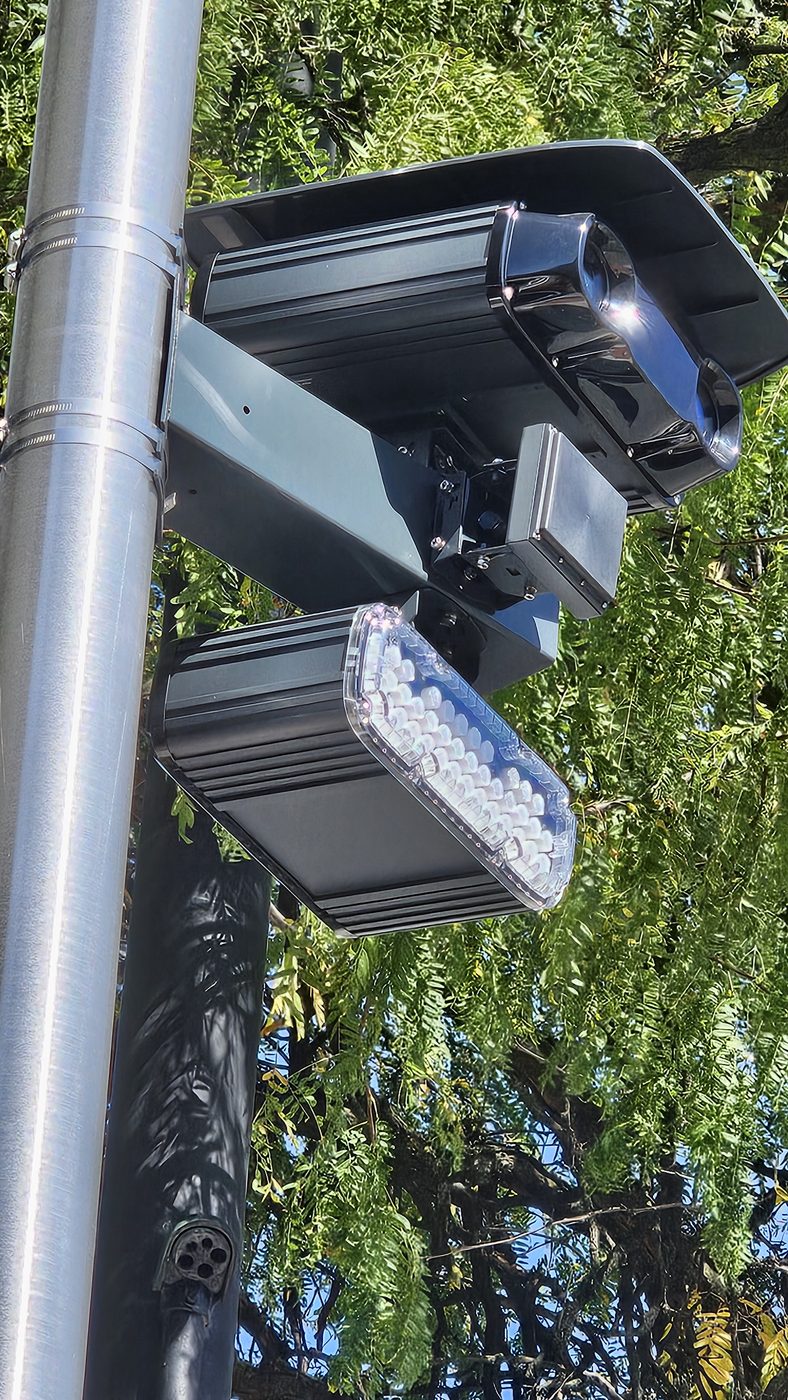
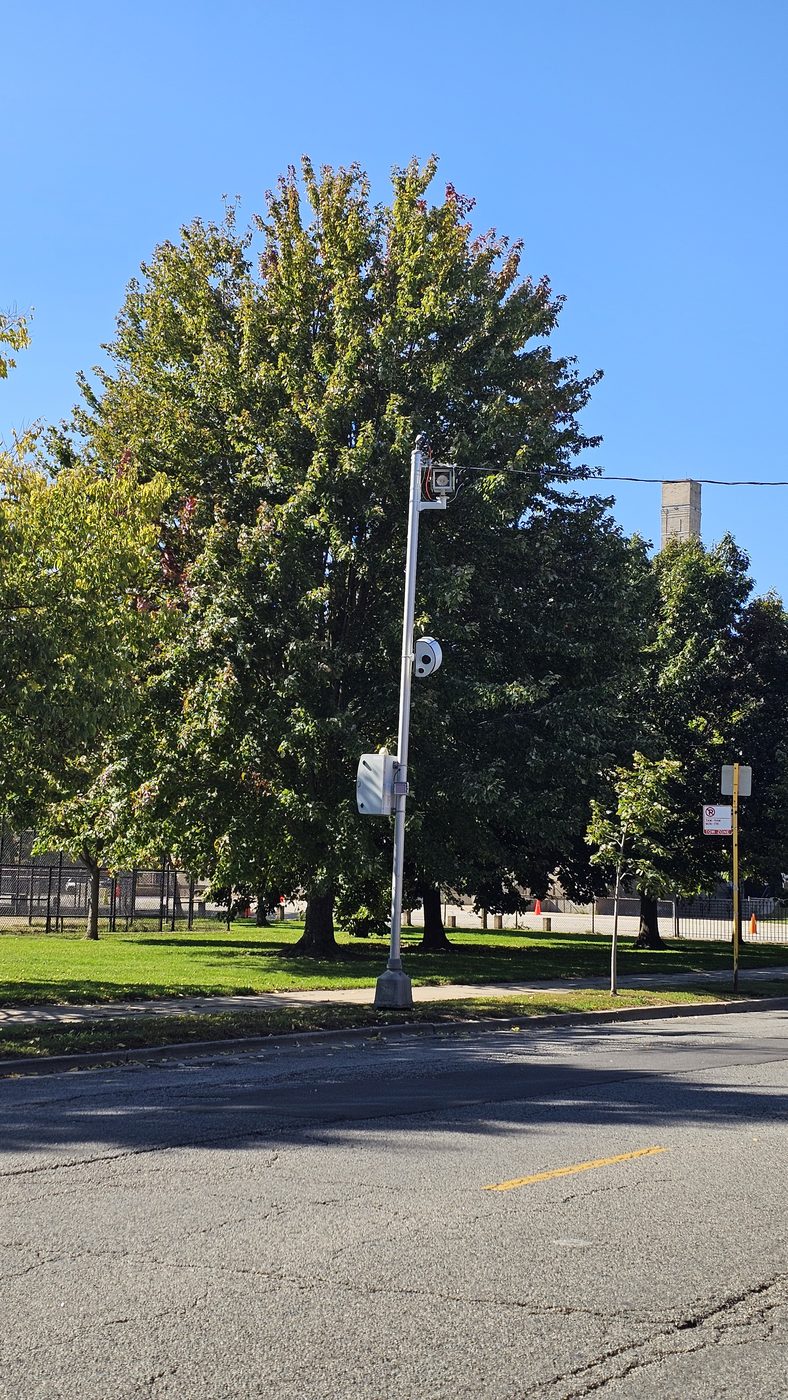
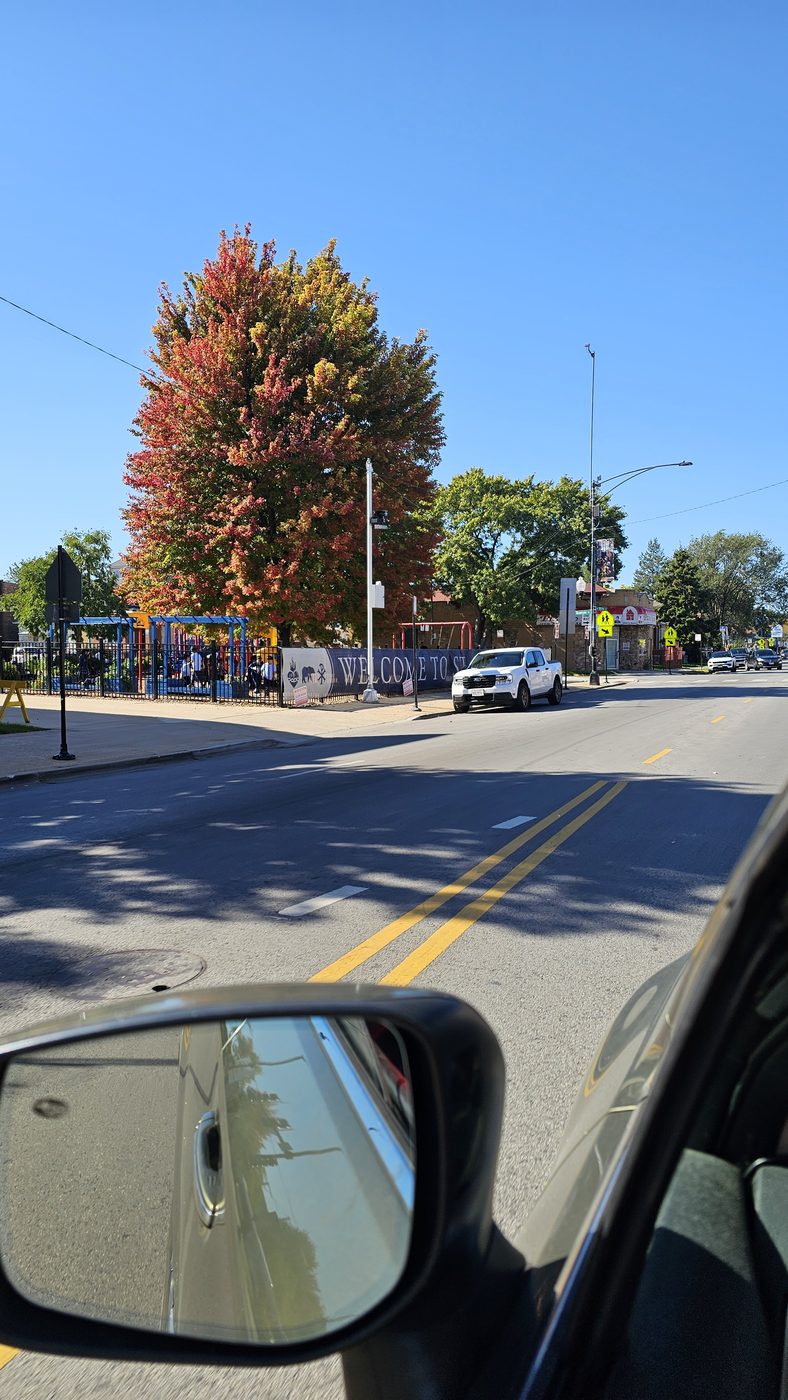
On Oct. 6, 2026, ReoFact drove 55th Street and Garfield Boulevard from Racine to Keeler and counted more than 10 speed cameras. City data lists 11 speed camera locations along that corridor, mostly installed between 2013 and 2015. At the locations we observed, newer dark colored units have replaced the older white ones. In our photos they are hard to pick out against the trees.
The city says every automated speed camera location has signs and pavement markings that exceed state requirements.
What the cameras collect
Chicago's speed cameras issued $90.9 million in tickets and fees in 2024, down $11.3 million from 2023, according to an Illinois Policy Institute analysis of city data obtained through a Freedom of Information Act request. The analysis counted 1.84 million violations, with 50 new cameras being added to the existing 165.
The top earner was the camera at 10540 S. Western Ave., which issued more than $3.19 million in fines, more than eight times the average camera, according to the same analysis. It also found that more than half of camera revenue came from late fees.
How the ticket process works
According to the City of Chicago, a speed camera fine is $35 for driving 6 to 10 mph over the limit and $100 for 11 mph or more. The registered owner has 21 days from the date the citation is issued to pay or contest it. If there is no response, the city sends a Notice of Determination finding the owner liable by default, and the owner has another 21 days to ask to set it aside. After that a Notice of Final Determination is mailed, and a penalty that can equal the fine is added.
Illinois Policy reports that, with late penalties, a $35 ticket can become $85 and a $100 ticket can cost $244.
The boot
The City of Chicago says a vehicle becomes eligible for the boot when its owner has three or more unpaid parking, red light or automated speed tickets in final determination, or two such tickets that are more than a year old.
Are the cameras making streets safer?
Illinois Policy, citing a 2012 to 2022 city study, reports that total crashes near speed cameras fell 2 percent while crashes citywide rose 27 percent. The same summary reports that speed related crashes near cameras fell 16 percent, compared with a 22 percent rise citywide, and that bike and pedestrian crashes near cameras fell 44 percent.
The city says the program exists to protect children and pedestrians near schools and parks. In 2021, CBS Chicago reported that some warning notices after the city lowered its ticketing threshold arrived up to 103 days after the violation, past the 30 days the ordinance requires.
Our question
Is this about traffic safety, or is it a stealth tax? Have you spotted one of these cameras in your neighborhood? Send us the cross streets on TikTok, YouTube or Instagram, or write to investigations@reofact.com.
Photos and video: ReoFact.